Introduction
When it comes to keeping your car’s paint flawless and protected, two technologies dominate the conversation: Paint Protection Film (PPF) and Ceramic Coating. But while both offer valuable benefits, they work in very different ways.
At KD Auto Detailing, Adelaide, we help vehicle owners understand the best way to protect their investment. Some want to preserve a factory-fresh look, while others want low-maintenance shine and chemical resistance. This blog will break down how each option works, what they cost, and when it makes sense to combine them.
Understanding the Basics: What Is Paint Protection Film (PPF)?
Paint Protection Film, also known as clear bra, is a transparent, urethane film that physically shields your vehicle’s paint. It’s built to absorb damage from rocks, road debris, bug splatter, and other environmental threats.
Key Benefits of PPF:
- High resistance to rock chips and scratches
- Protects against bugs, bird droppings, and tree sap
- UV protection to prevent fading
- Self-healing with heat (sunlight or hot water)
- Virtually invisible when installed correctly
At KD Auto Detailing, Adelaide, we use premium films backed by long-term warranties for durability and clarity.
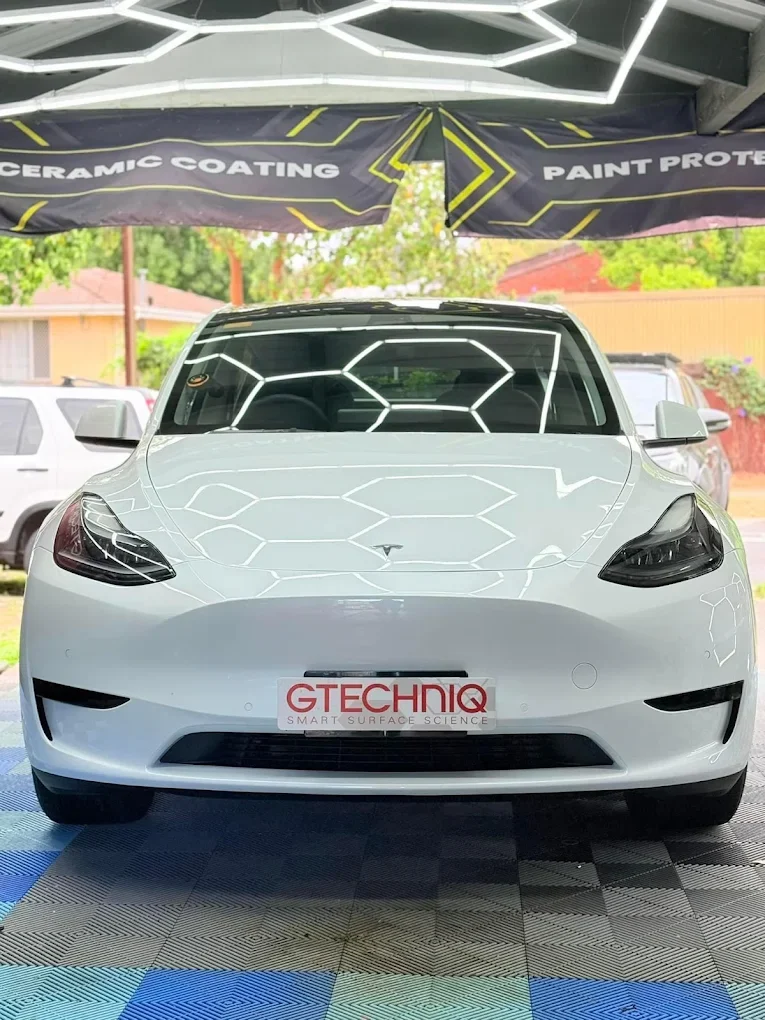
What Is Ceramic Coating and How Does It Work?
Ceramic coating is a liquid polymer applied to a car’s clear coat. Once cured, it forms a hard, glass-like layer that offers chemical and UV protection. Unlike PPF, it doesn’t provide impact protection but excels at keeping your car clean and glossy.
Benefits of Ceramic Coating:
- Exceptional water repellency (hydrophobic)
- Chemical and UV resistance
- Easier washing and maintenance
- Enhances gloss and depth of paint color
- Helps prevent oxidation and environmental damage
It’s a favorite among enthusiasts who want a mirror-like finish and minimal upkeep.
PPF vs Ceramic Coating: Detailed Comparison Table
| Category | Paint Protection Film (PPF) | Ceramic Coating |
| Protection Type | Physical (impacts, chips) | Chemical/Environmental |
| Scratch Resistance | High (self-healing) | Low to moderate |
| Water Repellency | Moderate | Excellent |
| Gloss Enhancement | Moderate to high | Very high |
| Lifespan | 5–10 years | 2–9 years |
| Maintenance | Easy | Very easy |
| Cost | Higher | Lower upfront |
| Warranty Options | Often 5–10 years | Varies by product |
When Is PPF the Best Choice for Your Vehicle?
If you regularly drive on highways, gravel roads, or face harsh road conditions, PPF is your best protection against physical wear.
Ideal for:
- Brand-new or luxury vehicles
- Daily drivers exposed to high-speed debris
- Off-road vehicles or touring cars
- Owners looking for long-term protection
We customize PPF installs to match your vehicle’s needs, offering partial or full-body coverage.
When Should You Choose Ceramic Coating Instead?
Ceramic coating is perfect for those who value gloss, minimal maintenance, and surface cleanliness.
Best suited for:
- Cars stored indoors or driven occasionally
- Vehicles with high-quality factory paint
- Owners who want to reduce washing time
- Show cars and weekend cruisers
If your main priority is water beading, shine, and ease of upkeep, ceramic coating delivers on all fronts.
Combining PPF and Ceramic Coating: The Ultimate Protection Strategy
You don’t have to choose just one. Many car owners combine both for maximum results.
How it works:
- PPF is applied to high-impact zones (hood, bumpers, side mirrors)
- Ceramic coating is applied on top of PPF and the rest of the car
Benefits of combining:
- Dual protection: physical and chemical
- Full-body hydrophobic effect
- Easier maintenance and enhanced aesthetics
KD Auto Detailing, Adelaide specializes in layered protection solutions tailored to your vehicle and budget.
Cost Breakdown: What You Can Expect to Pay
PPF is generally more expensive than ceramic coatings due to the cost of materials and professional installation. However, the comprehensive protection it offers can justify the higher initial investment by reducing future repair costs.
Ceramic Coating can be expensive as well, particularly high-quality professional-grade products. However, it is typically less expensive than PPF. The ease of maintenance and the aesthetic benefits can offset the cost over time.
Durability: How Long Do They Last?
Both PPF and ceramic coatings are designed to offer long-term value, but their durability depends on the product used, how the vehicle is maintained, and environmental conditions.
- PPF typically lasts 5 to 10 years, with premium films offering stain resistance and yellowing protection.
- Ceramic coatings last anywhere from 2 to 9 years, depending on how many layers are applied and how well you maintain it.
Regular washing, avoiding harsh chemicals, and performing annual inspections can help maximize the lifespan of either product.
Ease of Maintenance: Which One Is Lower Effort?
Ceramic coating makes cleaning easier. Dirt and water slide off, reducing how often you wash and dry.
PPF is also easy to clean but can benefit from a ceramic topcoat to boost repellency and reduce bug staining.
Do PPF or Ceramic Coatings Change the Appearance of My Car?
No drastic change. Both are designed to be visually subtle.
- PPF is clear and available in gloss or matte finish.
- Ceramic coating enhances existing paint, making colors look deeper and more vibrant.
Installation Process: What to Expect
PPF Application:
- Full wash and decontamination
- Paint correction if needed
- Film is precision-cut and applied
- Edges are wrapped and sealed
- Cure time: 24–48 hours
Ceramic Coating Application:
- Wash, clay bar, polish the surface
- Use alcohol-based cleaner
- Apply coating in small sections
- Buff and allow to cure
- Keep dry for 24–72 hours
Warranty Options and What They Cover
PPF:
- 5 to 10-year warranties
- Covers peeling, yellowing, bubbling
Ceramic Coating:
- 1 to 9-year warranties
- Covers oxidation, loss of hydrophobic properties
Ask your installer at KD Auto Detailing, Adelaide for full warranty terms before booking.
Conclusion
Paint Protection Film (PPF): Delivers superior impact resistance, self-healing from minor scratches, and long-term durability. Best suited for high-impact zones exposed to road debris, chips, and physical wear.
Ceramic Coating: Boosts paint gloss, provides strong hydrophobic and UV resistance, and simplifies maintenance. Ideal for those who prioritize visual appeal and easy upkeep.
Combined Use: Applying both PPF and ceramic coating offers the highest level of paint protection, gloss, and ease of maintenance. PPF guards against physical impact, while ceramic coating enhances appearance and keeps your vehicle cleaner for longer.
Final Recommendations
When deciding between PPF and ceramic coating, start with your top priorities:
- Choose PPF if your main goal is physical damage prevention and long-term protection.
- Choose ceramic coating if you’re focused on appearance, gloss, and low-effort maintenance.
- If your budget allows, combine both for the most comprehensive and long-lasting protection.
Encouragement to Choose the Best Option
Ultimately, the right solution depends on your driving habits, vehicle type, and expectations. For the best results, consult with a certified professional who can guide you through your options.
For expert application and honest advice in Adelaide, KD Auto Detailing is here to help you protect your investment with confidence.
FAQs – PPF vs Ceramic Coating
Can PPF and ceramic coating be applied together?
Layering both gives full protection, PPF handles impact, ceramic boosts shine and repellency.PPF goes on high-impact zones first, then coating seals everything in. It’s a smart long-term combo used by many owners.
Does ceramic coating stop rock chips?
Ceramic coating can’t absorb physical impact or prevent chips. It’s designed to resist UV, water spots, and contaminants only. For rock chip defense, PPF is the correct solution.
How do I maintain my car after PPF or coating?
Use pH-neutral shampoo and soft microfiber tools for washing. Skip automatic car washes with brushes to avoid damage. Inspect regularly and reapply maintenance products as needed.
Will these affect my factory paint warranty?
Factory paint warranties remain intact when applied by pros. PPF and coatings are safe, reversible, and widely accepted. Always ask for certified products and proper documentation.
Is there a curing period?
Both PPF and coatings need 48 to 72 hours to cure. Avoid washing, rain, and touching the surface during that time. Full protection sets in after the first week.