When many drivers hear the phrase window tinting, they picture hot summer days and cars parked under direct sunlight. While that is true, tinting also plays a vital role in cold months. Winter presents a completely different set of challenges, from glare reflecting off snowy surfaces to frosted glass reducing visibility. These conditions can make winter driving physically exhausting and mentally draining. The right tint film provides a layer of protection that helps reduce strain and makes winter journeys more manageable.
Another important aspect is how winter light differs from summer light. The sun sits lower in the sky during colder months, shining directly into drivers’ eyes for long stretches of time. Combine this with snow glare, icy reflections, and fluctuating temperatures, and driving can become hazardous. Certain films are designed to filter light more effectively, reduce eye strain, and even help retain warmth inside the vehicle. By understanding which films work best, drivers can prepare for safer and more comfortable travel during the harshest season of the year.
Winter Driving Challenges for Vehicle Owners
Cold weather reduces road visibility drastically
Fog, condensation, and frost form easily in cold temperatures, reducing clear visibility through the windshield and side windows. Drivers often rely heavily on defrosters, which takes time and fuel. Window tinting films help stabilize glass temperatures, reducing fog build-up. This stabilization makes it easier to maintain clearer vision on long journeys. Safer visibility reduces the risks posed by unpredictable weather.
Snow glare causes intense visual discomfort
Fresh snow reflects nearly 80% of sunlight back into the driver’s eyes. This reflection creates a blinding glare that is difficult to manage, especially during long highway drives. Squinting for extended periods causes headaches, watery eyes, and fatigue. Tinting films with anti-glare properties filter this reflected light effectively. As a result, drivers experience less discomfort and better focus.
Temperature fluctuations affect car glass stability
Winter weather often shifts between cold mornings and slightly warmer afternoons. This sudden temperature difference makes glass surfaces prone to condensation and frost. The continuous cycle of heating and cooling also stresses the glass material. Quality tinting films help balance the glass surface temperature. This reduces stress on the glass and lowers the risk of fogging or cracking.
Understanding the Function of Tinting Films
Window tinting reduces glare and brightness
The main role of tinting films is to control how much visible light enters the car. By filtering excessive brightness, they prevent sudden flashes from snow and headlights. Balanced light means eyes adjust less frequently, which reduces fatigue. This balance is especially critical in winter when glare is more intense. In effect, films act like protective sunglasses for drivers.
UV radiation remains harmful during winter
Even when skies are cloudy, ultraviolet radiation penetrates the atmosphere and reflects off snow. Drivers are exposed to harmful rays for hours on long drives. Tint designed to block UV rays protect both skin and eyes during winter. Prolonged exposure without protection increases risks like premature aging or eye damage. Window tinting Adelaide provides year-round protection regardless of the season.
Insulating properties improve cabin comfort
Tinting films are not just about light control—they also play a role in insulation. Some films reflect heat back inside the cabin during cold weather. This reduces reliance on the car’s heating system, saving fuel or energy. Consistent temperatures prevent frosty windows from reforming quickly. Insulation creates a more stable and comfortable driving environment in winter.
Types of Window Tinting Films Explained
Dyed films provide basic glare reduction
Dyed films are made using a layer of dye that absorbs sunlight. They reduce some brightness but offer minimal insulation benefits. In winter, this makes them less effective at retaining heat. They also tend to fade faster over time with repeated exposure to extreme temperatures. These films are inexpensive but limited in overall performance.
Metalized films offer stronger insulation levels
Metalized films are engineered with metallic particles that reflect sunlight and heat. In winter, they help maintain warmth inside the cabin. Their durability also makes them resistant to scratches and frost-related wear. However, one drawback is possible interference with GPS or electronic signals. For drivers in cold climates, their insulation benefits remain highly valuable.
Ceramic films deliver superior all-weather performance
Ceramic films use advanced nano-technology to block glare and ultraviolet radiation. They provide excellent insulation without darkening visibility excessively. Unlike metalized films, they do not interfere with electronic devices or signals. Their clarity and strength make them ideal for snowy conditions where both safety and comfort matter. Ceramic films are considered the most effective long-term solution.
Choosing the Best Film for Winter
Ceramic films excel in snowy regions
Ceramic tinting provides high clarity while cutting intense glare from snow and ice. This combination reduces strain during daytime driving when reflection is at its worst. At the same time, these films maintain visibility during darker winter evenings. Drivers benefit from balanced light in varying conditions. This adaptability makes ceramic films highly recommended.
Metalized films retain warmth efficiently
For those living in colder climates, metalized films are valued for insulation. By reflecting heat back into the cabin, they reduce heating needs. Drivers notice greater comfort during long commutes with less frost build-up. The added durability of these films withstands freezing conditions effectively. Their strength and longevity make them a solid choice for winter.
Hybrid films provide a balanced approach
Hybrid films combine dyed and metallic layers, offering a blend of benefits. They reduce glare better than dyed films and provide insulation better than basic options. While not as advanced as ceramic, they perform well in varied conditions. Drivers in moderate climates find hybrid films versatile. They strike a balance between performance, clarity, and cost.
Eye Health and Safety Advantages
Reducing winter-related eye fatigue greatly
Driving in winter forces the eyes to constantly adjust to snow glare and low sunlight. This prolonged strain increases fatigue and reduces reaction times. Window tinting films reduce the frequency of these adjustments. By creating a softer light environment, they protect vision health. Drivers feel more relaxed and alert on long drives.
Preventing accidents caused by sun position
The winter sun sits lower on the horizon, often shining directly into drivers’ eyes. This sudden brightness can temporarily blind a driver at critical moments. Tinting films block out this excess light while preserving visibility. Reduced glare lowers accident risks during peak sun hours. Safer vision contributes to overall road safety in winter.
Supporting drivers with light sensitivity issues
Some individuals experience photophobia, a condition where bright light triggers discomfort. Winter glare intensifies this problem, making driving more difficult. Films that filter brightness help reduce these reactions significantly. By softening the light entering the vehicle, comfort levels improve. This support ensures safer journeys for sensitive drivers.
Legal Guidelines and Regional Considerations
Tint darkness laws vary by region
Different regions have unique rules about how dark window tinting can be. Some laws restrict tinting on front windows to maintain visibility. Drivers must be aware of these variations before choosing films. Winter benefits should always be balanced with legal compliance. Staying informed prevents unnecessary fines or complications.
Clarity is important for safe winter driving
Excessively dark tint can reduce visibility, especially in fog or low light. While darker shades may seem appealing, they can be unsafe in winter. Drivers should focus on films that balance glare reduction with clarity. Films with advanced technology provide protection without sacrificing visibility. Safety should always come before aesthetics.
Tint choice should consider year-round needs
Although this article focuses on winter, tinting benefits apply across all seasons. Choosing a film that performs well year-round is more practical. Ceramic or hybrid films adapt to both summer heat and winter glare. This approach ensures consistent protection for eyes and comfort. Long-term thinking creates better value and safety.
Navigate from Tea Tree Gully to KD Auto Detailing Now
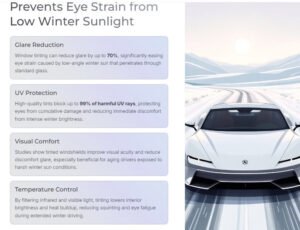
How Window Tinting Prevents Eye Strain from Low Winter Sunlight
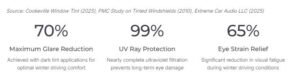
- Glare Reduction: Window tinting can reduce glare by up to 70%, significantly easing eye strain caused by low-angle winter sun.
- UV Protection: High-quality tint block up to 99% of harmful UV rays, protecting eyes from damage and reducing discomfort.
- Visual Comfort Improvement: Studies show tinted windshields improve visual acuity and reduce discomfort glare, especially for aging drivers exposed to winter sun glare.
- Temperature & Glare Control: By filtering infrared and visible light, tinting lowers interior brightness and heat, reducing squinting and eye fatigue during winter driving.
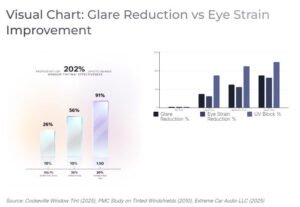
Visual Chart: Glare Reduction vs Eye Strain Improvement
Glare Reduction (%) Eye Strain Reduction (%) UV Block (%) 0 (No Tint) 0 0 30 (Light Tint) 25 70 50 (Medium Tint) 45 90 70 (Dark Tint) 65 99
Key Takeaway: Window tinting is a scientifically supported, effective solution to reduce winter sun glare and eye strain, enhancing driver safety and comfort during harsh low-light conditions.
Source: Cookeville Window Tint (2025), PMC Study on Tinted Windshields (2010), Extreme Car Audio LLC (2025)
Winter presents a range of visual challenges, from snow glare to frosted glass and low sun. Window tinting films are not just for summer—they provide essential protection during the coldest months. The right choice reduces glare, improves visibility, retains warmth, and protects eye health. Whether drivers face snowy highways or icy city roads, tinting ensures greater comfort and safety. Understanding film types and their winter benefits helps every driver make informed, educated choices that matter for year-round driving.
FAQs
Which window tinting film is best for snow glare?
Ceramic films work best because they cut glare effectively while keeping visibility sharp in bright snowy conditions.
Can tinting help keep my car warmer in winter?
Yes, certain films like metalized or ceramic reflect heat back inside, reducing the need to rely heavily on heating systems.
Does winter still have harmful UV exposure?
Yes, UV rays remain strong even in cold weather, especially when reflected by snow, and tinting helps block them.
Are darker tint safe for winter driving?
Not always—excessively dark shades can reduce visibility in fog or low light, so balanced films are more effective.
Do tinting films prevent frost on car windows?
They help reduce frost build-up by stabilizing glass surface temperatures, making windows easier to clear in the morning.